

Common Rack Installation Mistakes (and How to Avoid Them)
Proper rack installation is the backbone of every safe and efficient warehouse. Even high-quality metal racks—like the ones from Alija—can underperform or become safety hazards if installed incorrectly. Unfortunately, many businesses make the same installation mistakes, leading to damaged goods, worker injuries, and costly downtime.
In this blog, we’ll explore the five most common rack installation mistakes and how you can avoid them to keep your warehouse reliable, safe, and future-ready.
1. Incorrect Floor Leveling
Even the strongest racks become unstable when installed on an uneven floor. Uneven leveling causes:
Leaning racks
Extra pressure on joints
Reduced load capacity
Risk of collapse


How to Avoid It
Always inspect the floor before installation.
Use shims, leveling plates, or grouting where needed.
Recheck alignment after loading the first few shelves.
Avoid installing heavy-duty racks over cracked or loose flooring.
2. Using the Wrong Type of Rack for the Load
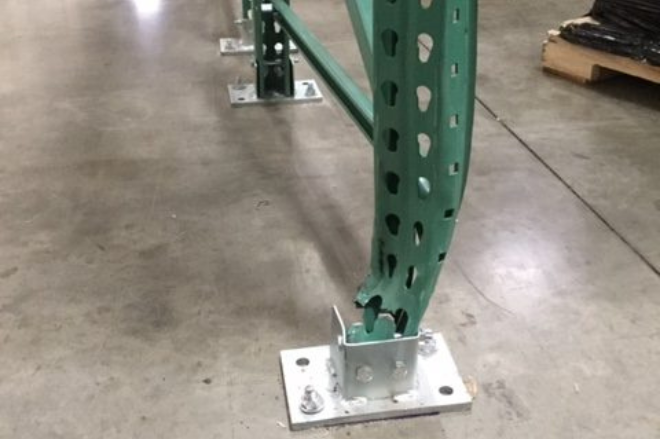
A common mistake is installing a rack that isn’t designed for the weight, size, or type of stored materials. For example, using a light-duty slotted angle rack for bulky industrial parts is a recipe for structural damage.


How to Avoid It
Identify your load type: heavy, medium, or lightweight.
Select racks based on load capacity, height, and material handling method.
Consult experts (like Alija) for custom solutions.
Never guess—always confirm rack specifications before installation.
3. Failing to Anchor the Racks Properly
Unanchored or loosely fastened racks can shift or topple even with minor vibrations. Anchoring is mandatory for warehouse safety, especially for:
Heavy-duty racks
Pallet racks
Mezzanine-supported racks



How to Avoid It
Use high-grade anchor bolts recommended for your flooring.
Fasten every base plate securely.
Test stability before loading materials.
Follow local safety regulations and building codes.
4. Incorrect Beam & Frame Assembly
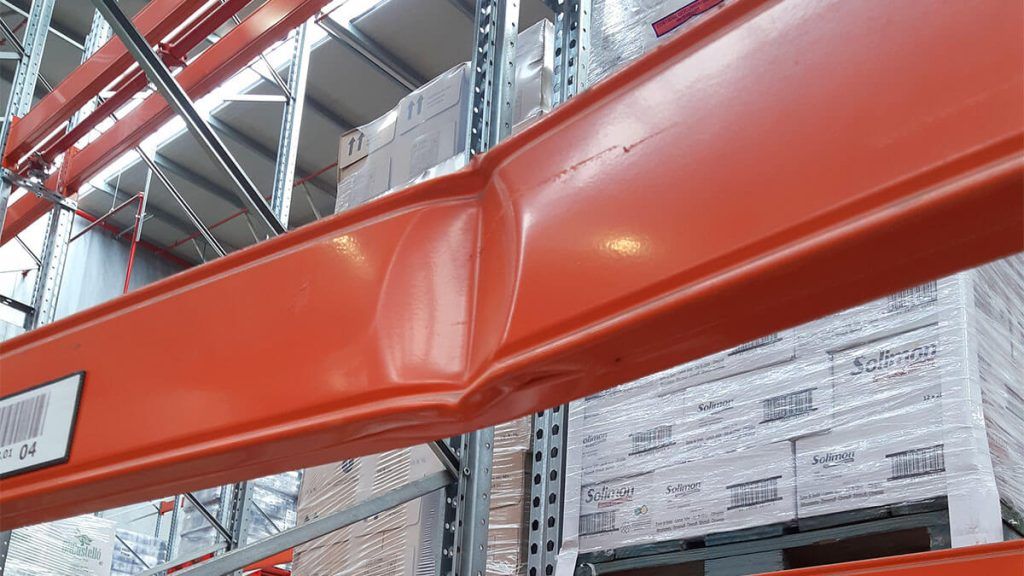
Improper installation of beams, clamps, braces, or connectors leads to structural weaknesses. A common mistake is mixing components from different rack systems or manufacturers.

How to Avoid It
Assemble racks strictly according to the manufacturer’s manual.
Ensure beams snap or lock into place fully.
Never mix parts from different brands.
Perform a final alignment check before loading.
5. Skipping Safety Accessories
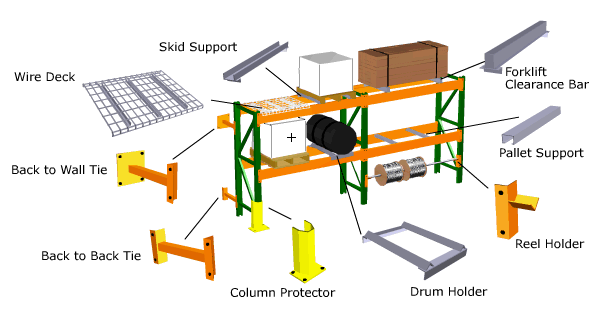
Many warehouses install the racks properly but skip essential safety accessories like:
Rack back mesh
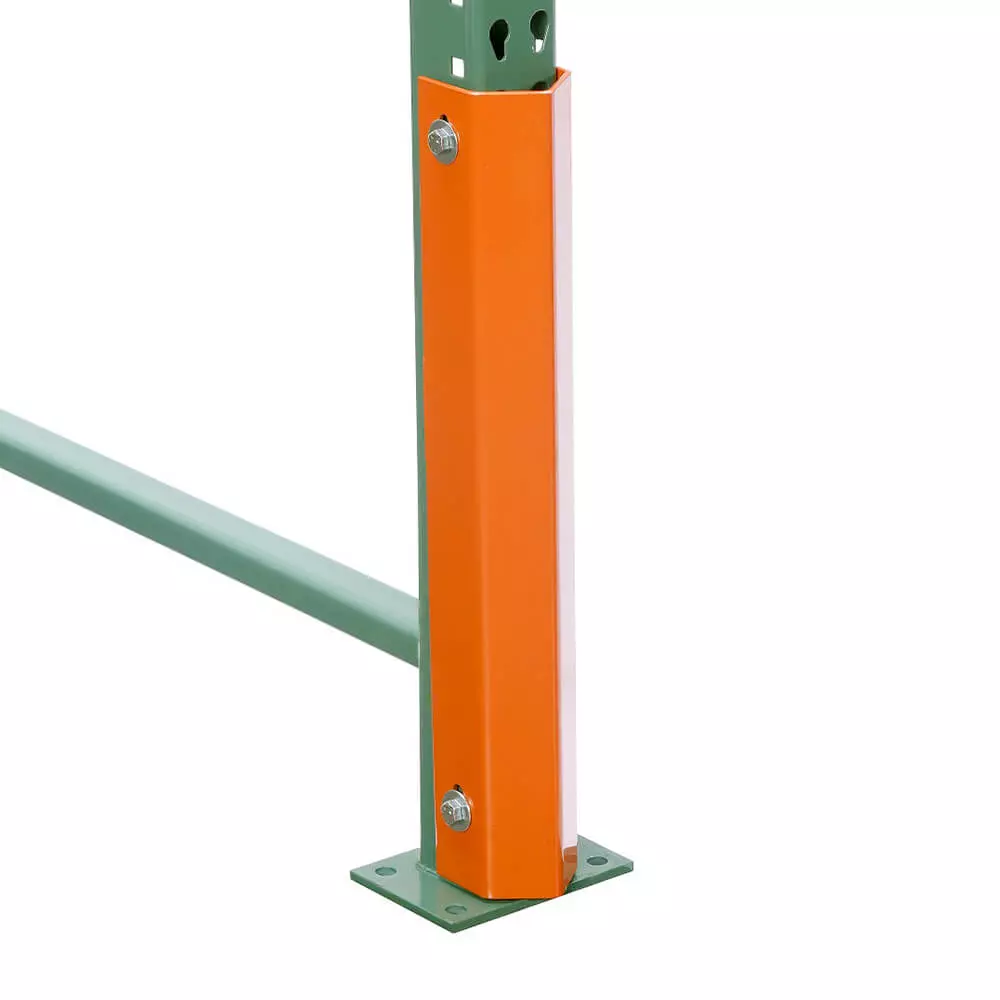
Column guards
Row spacers
Load signage
Safety pins & locking clips
Skipping these puts workers and goods at risk.

How to Avoid It
Install column protectors to prevent forklift impacts.
Use mesh backing to prevent items from falling.
Add row spacers to stabilize back-to-back racks.
Place clear load capacity signs at eye level.
Use locking pins on every beam connection.
How Alija Ensures Error-Free Rack Installation
At Alija, we prioritize precision, safety, and durability in every installation. Our team ensures:
Professional floor assessment
Correct rack selection for your load type
Engineered anchoring solutions
Proper beam–frame alignment
Full safety compliance with accessories
Whether you need slotted angle racks, pallet racks, heavy-duty racks, or customized industrial storage solutions, Alija provides expert installation that prevents all the mistakes mentioned above.
Conclusion
Rack installation might seem simple, but even small errors can lead to big consequences. By avoiding these five common mistakes, you can ensure:
Longer rack lifespan
Safer warehouse environments
Higher load efficiency
smoother operations
When in doubt, always rely on experts. With Alija, you get reliable storage systems + professional installation designed for long-term performance.